
Artificial intelligence is steadily reducing paperwork, supporting planning and helping teams spot risks earlier
When set up correctly, it applies assessments consistently and holds a detailed working knowledge of Building Regulations and standards. The aim is faster, better-informed work, with people responsible for decisions.
Where is AI helping construction?
AI identifies patterns and generates content from information. Its value starts with everyday tasks: checking documents, organising records, drafting correspondence and summarising project files.
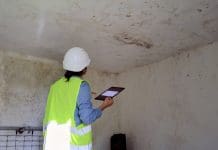
Developers can direct attention to information sooner, contractors can cut administration, and suppliers can explore demand forecasting. Specialist systems can also analyse site images or support programme planning.
The gains are clearest where tasks are well defined, and the information supplied is complete. Teams also use it to prepare tender summaries, track correspondence and keep project records current, freeing experienced staff for the decisions that matter.
How is Build Warranty using AI through LDI Tech®?
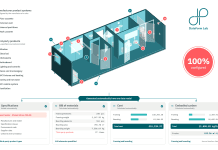
Build Warranty has developed AI assistance through LDI Tech® to support work across its departments: due diligence, document checking, and gathering and scanning planning application files.
They also include automated credit and sanctions checks, assessing inspection reports and remedial-work responses, and drafting replies — work that would otherwise require substantial manual attention.
The company describes it as an assistant, with staff moving towards monitoring and supervisory roles: not to remove people, but to focus their attention on checking findings, investigating exceptions and deciding what happens next.
Build Warranty’s experience through LDI Tech® is that, in many cases, when set up correctly, AI does not miss items and applies assessments consistently, with detailed knowledge of Building Regulations and standards.
Staff responses need the same checking as AI: people hold different opinions and have focused and unfocused days; a tried, tested and correctly trained system gives a constant response. One AI agent doing assessment work that would otherwise need many specialists means one system to monitor, with inputs complete and findings supervised.
These examples illustrate practical uses, not measured results; automated checks must not turn a possible match into an unquestioned conclusion.
How are earlier concerns being solved?
Early worries about AI — invented facts, outdated requirements and weak information — are being addressed directly.
Answers can be grounded in the documents supplied rather than generated from memory, so a summary traces back to the contract, specification or planning file behind it. Systems can be trained on current Building Regulations and standards, with updates managed centrally rather than left to individual memory. Missing information can be flagged automatically, prompting the right question instead of a confident guess.
This is why setup matters: a well-designed system cites its sources, shows its working and passes uncertain items to a person.
Human checks remain part of the design. AI-drafted responses need reading against original documents before issue. The Health and Safety Executive says existing safety duties still apply when firms introduce AI; software does not replace professional judgement, building control approval or responsibility for safe working methods.
The Information Commissioner’s Office provides AI and data protection guidance, covering access controls, retention and whether an external service trains its models on submitted information.
Key takeaways:
- Begin with a defined task and measure accuracy alongside time saved.
- Keep important decisions under competent supervision, recording sources, corrections and approvals so findings can be traced.
- Set up correctly, AI gives construction teams a consistent, well-informed assistant: it applies the same standard to every file, keeps regulations at hand and lets people focus on judgement — with accountable people still making the final call.