
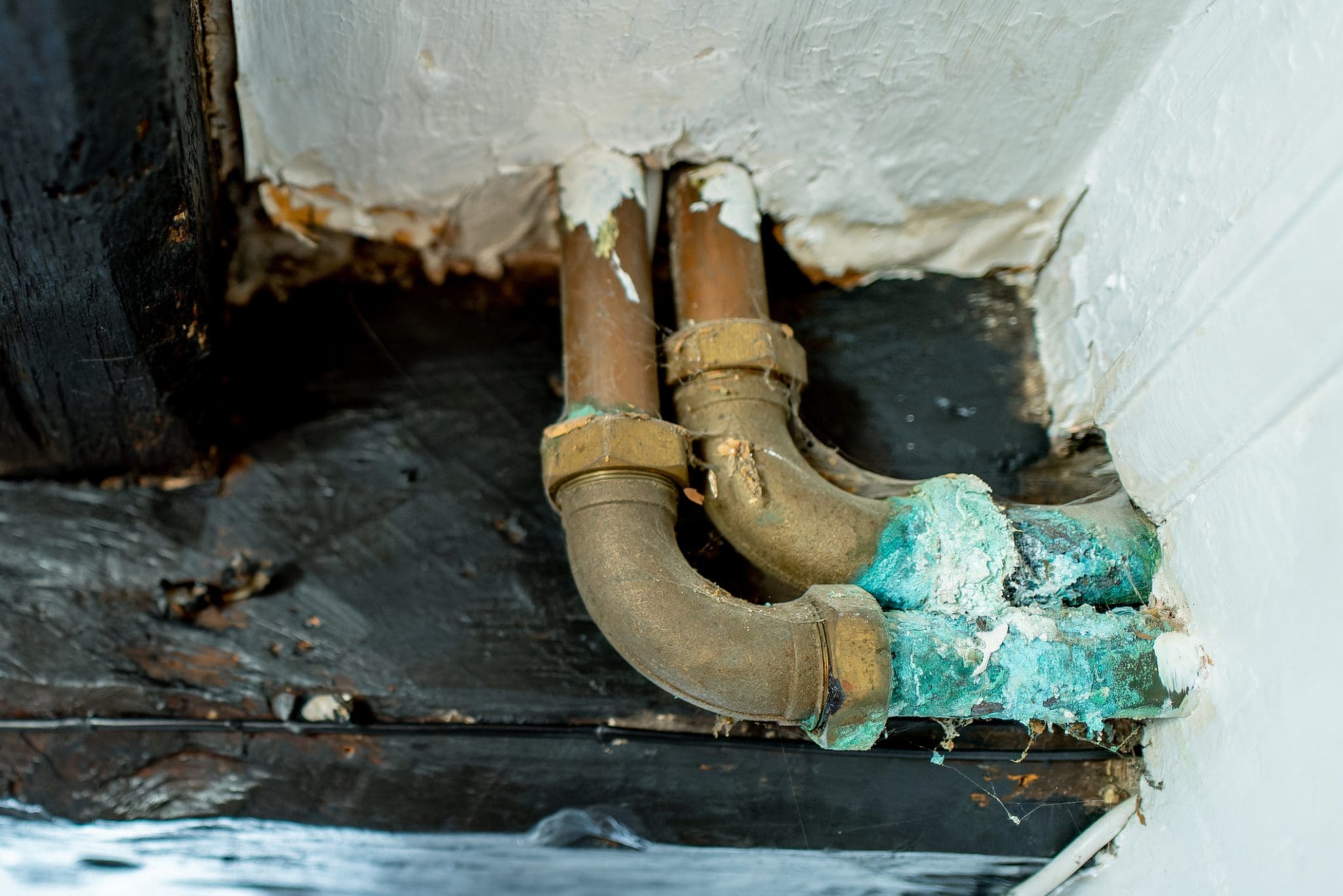
Building managers have been advised to review how effectively they are managing water systems following a rise in high-profile Legionella incidents
Wilo UK issued the warning after detections in public buildings and residential properties have renewed attention to the health, operational, and financial consequences of Legionella.
Jason Cox, sales director for building services at Wilo UK, said: “Attention naturally turns to testing and remediation in the wake of these incidents, but effective Legionella control starts much earlier than that.
“Building managers need to understand how water is actually moving around their building, where stagnation can occur and whether the system is operating as intended. Periodic checks cannot compensate for underlying problems in the water system.”
Recent Legionella incidents have caused building closures
Legionella bacteria can multiply when water stagnates in pipework, particularly in temperatures between 20°C and 45°C. Infrequently used outlets, dead legs (redundant pipework), and areas of poor water circulation can also create conditions where bacteria thrive.
Recent incidents include the closure of Bethnal Green’s York Hall, which will remain shut until the new year after routine council sampling found Legionella bacteria in both the building’s hot and cold water systems. The closure could cost more than £900,000 in lost earnings and repairs.
Efforts to reopen York Hall have been complicated by the building’s age and the absence of complete records detailing its pipework.
Ministry of Justice figures published in late October, meanwhile, revealed that HMP Hull and HMP Lincoln have taken 20 cells out of action due to Legionella bacteria.
Prevention as a priority is essential
Wilo UK says these incidents underline why Legionella prevention should be treated as an ongoing priority rather than a periodic compliance exercise.
They are encouraging building managers to consider five areas:
- Review the risk assessment and whether it reflects the building’s current layout, occupancy and usage
- Identify areas of stagnation, such as redundant pipework and areas experiencing limited water movement
- Ensure circulation pumps are appropriately specified, commissioned and maintained, and that water is moving as intended throughout the system
- Monitor water temperatures and system performance to ensure control measures remain effective and identify any changes that could increase the risk of Legionella growth
- Reassess water systems following changes to the building, including refurbishments, alterations to pipework or changes in occupancy or usage
Cox concluded: “Prevention is always better than remediation. Once Legionella is detected, the consequences can stretch well beyond the immediate health risk, potentially resulting in closures, operational disruption and significant repair costs.
“A proactive approach to water management can help identify potential risks before they become serious problems. Building managers should continually question whether their systems are operating as normal and act quickly when they identify areas of concern.”